
Artificial Intelligence (AI) is transforming the way people use technology, communicate, work, learn, and make decisions. From search engines and recommendation systems to chatbots and automated business tools, AI has become an important part of the modern digital world.
For businesses, understanding this technology can create opportunities to improve productivity, customer service, data analysis, and digital operations. For individuals, learning about AI can help them understand how many of the tools they use every day actually work.
What Is Artificial Intelligence?
Artificial Intelligence is a branch of computer science that focuses on creating computer systems capable of performing tasks that normally require human intelligence. These tasks can include recognizing patterns, understanding language, analyzing information, making predictions, and solving problems.
Modern AI systems use algorithms, data, and computing power to perform specific tasks. Some systems can analyze images, while others can understand text, recommend products, translate languages, or generate new content.
For businesses interested in improving their online presence, combining AI with Web Development Services can create opportunities for automation, personalization, and improved customer experiences.
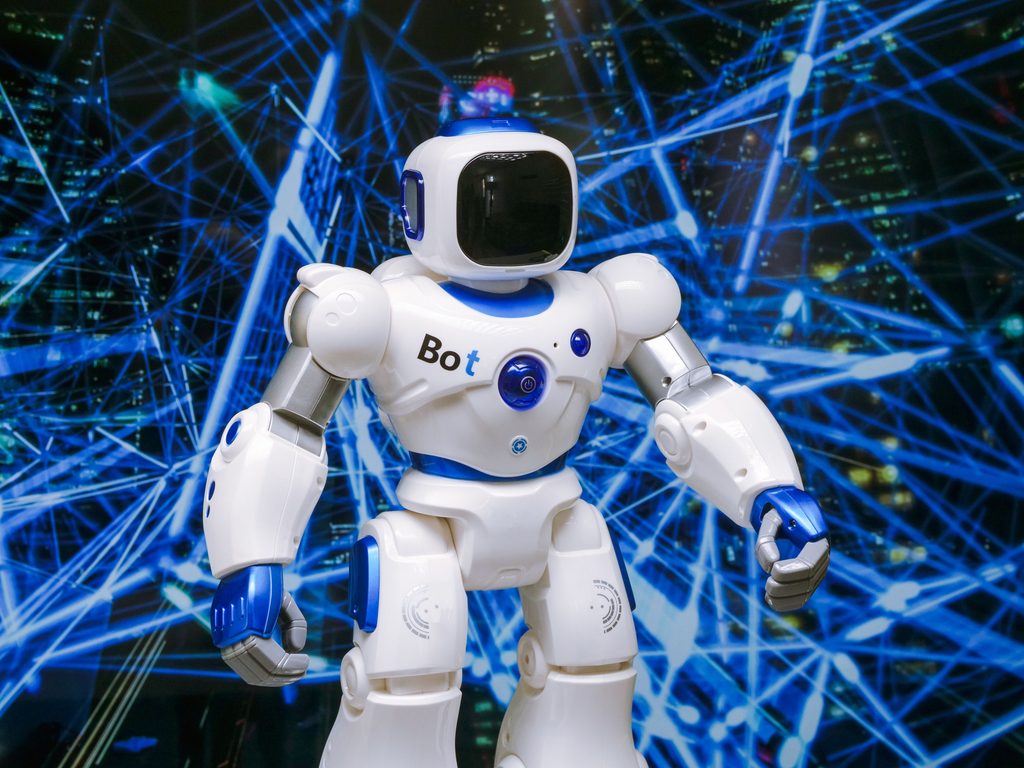
How Does AI Work?
AI systems generally rely on data and algorithms. During training, a system can process large amounts of information to identify patterns and relationships. It can then use what it has learned to analyze new information or produce an output.
Machine learning is one of the most important technologies behind modern AI. Instead of giving a computer instructions for every possible situation, developers can train a system using data so that it learns patterns associated with a particular task.
For example, a system can be trained using images to recognize objects. Similarly, language-based applications can process large collections of text to understand patterns in human language.
Another important area is deep learning, which uses multi-layered neural networks to process complex information. These technologies are used in applications ranging from image recognition to language processing.
Types of AI
AI can be classified in different ways depending on its capabilities and purpose.
Narrow AI
Narrow AI is designed to perform a particular task or a limited group of tasks. Most AI applications available today fall into this category.
Examples include voice assistants, recommendation systems, spam filters, translation tools, and image-recognition software.
Generative AI
Generative AI can create new content based on patterns learned during training. It can produce text, images, audio, video, computer code, and other forms of content.
Businesses can use generative tools for brainstorming, drafting content, customer support, software development, and other productivity tasks. However, generated information should still be reviewed for accuracy.
Artificial General Intelligence
Artificial General Intelligence (AGI) refers to a theoretical form of technology that could perform a broad range of intellectual tasks at a human-like level. AGI remains a research concept and should not be confused with the specialized AI systems widely available today.
Applications of AI
AI technology is being used across many industries.
Healthcare
AI can assist with medical research, image analysis, administrative tasks, and the analysis of health-related data. It can support healthcare professionals, although important medical decisions require appropriate professional oversight.
Education
Students can use AI-powered tools for explanations, practice, research assistance, and learning support. Teachers can also use these technologies for preparing educational materials and handling certain administrative tasks.
Business
Companies use AI for customer service, data analysis, marketing, fraud detection, forecasting, and workflow automation.
If your business is building an online platform, SEO Services can also work alongside technical improvements and AI-powered tools to help create a stronger digital presence.
E-Commerce
Online stores can use intelligent systems to recommend products, improve website search, analyze customer behavior, and provide automated support.
Businesses interested in selling products online can explore E-Commerce Development as part of their digital strategy.
Transportation
AI is used in navigation systems, route planning, logistics, traffic management, and research into autonomous transportation technologies.
Benefits of AI
The growing use of AI provides several potential benefits.
Automation: Repetitive tasks can be handled automatically, allowing employees to focus on more complex work.
Faster data analysis: AI systems can process large datasets and identify patterns quickly.
Personalization: Companies can provide recommendations and experiences based on customer behavior.
Customer support: AI-powered chatbots can answer common questions and provide assistance at any time.
Productivity: Digital tools can help users complete certain tasks more efficiently.
Innovation: Organizations can explore new products, services, and business processes using AI technologies.
Challenges and Risks
Although AI offers many opportunities, it also has limitations and risks.
AI systems can sometimes produce inaccurate information or unexpected results. The quality of an output can depend on the data, model, instructions, and context involved.
Privacy and security are also important considerations. Organizations should carefully manage personal information and understand how data is collected, processed, and stored.
Other issues include potential bias, cybersecurity threats, intellectual-property concerns, and changes to certain types of work.
For reliable background information about AI and its development, readers can explore resources from the National Institute of Standards and Technology (NIST), which provides research and guidance related to trustworthy AI.
The U.S. National Artificial Intelligence Initiative is another useful external resource for learning about AI research and development.
AI and the Future of Business
AI is likely to remain an important part of digital transformation. Businesses can use intelligent technologies to automate routine processes, analyze information, improve customer experiences, and support employees.
However, successful implementation requires more than simply adopting the newest tool. Organizations should consider their objectives, available data, security requirements, costs, and the level of human oversight needed.
Businesses should also make sure their websites provide a strong technical foundation. A well-designed Website Design strategy can improve usability and provide a better environment for integrating modern digital tools.
Frequently Asked Questions About Artificial Intelligence
What is Artificial Intelligence?
Artificial Intelligence is a field of computer science that develops systems capable of performing tasks associated with human intelligence, including learning, pattern recognition, language processing, and problem-solving.
How is AI used in everyday life?
AI is used in search engines, smartphones, navigation applications, recommendation systems, online shopping, voice assistants, spam filters, and customer-service platforms.
What is machine learning?
Machine learning is a method used within AI where computer systems learn patterns from data and use those patterns to make predictions or perform specific tasks.
What is generative AI?
Generative AI is technology capable of producing new content such as text, images, audio, video, and software code based on patterns learned from training data.
What are the benefits of AI for businesses?
Businesses can use AI to automate repetitive work, analyze data, improve customer support, personalize experiences, and support certain business processes.
Is AI completely accurate?
No. AI systems can produce incorrect, incomplete, or misleading results. Important information should be reviewed and verified, particularly in areas where accuracy is critical.
Conclusion
Artificial Intelligence is becoming an important part of modern technology and digital business. Its applications range from customer service and education to healthcare, e-commerce, transportation, and data analysis.
AI can provide significant opportunities for automation, productivity, and innovation, but organizations should also consider accuracy, privacy, security, bias, and human oversight when using these technologies.
By understanding how AI works and where it can be applied, businesses and individuals can make more informed decisions about using these tools. As technology continues to develop, responsible implementation and continuous learning will remain important for getting practical value from AI.