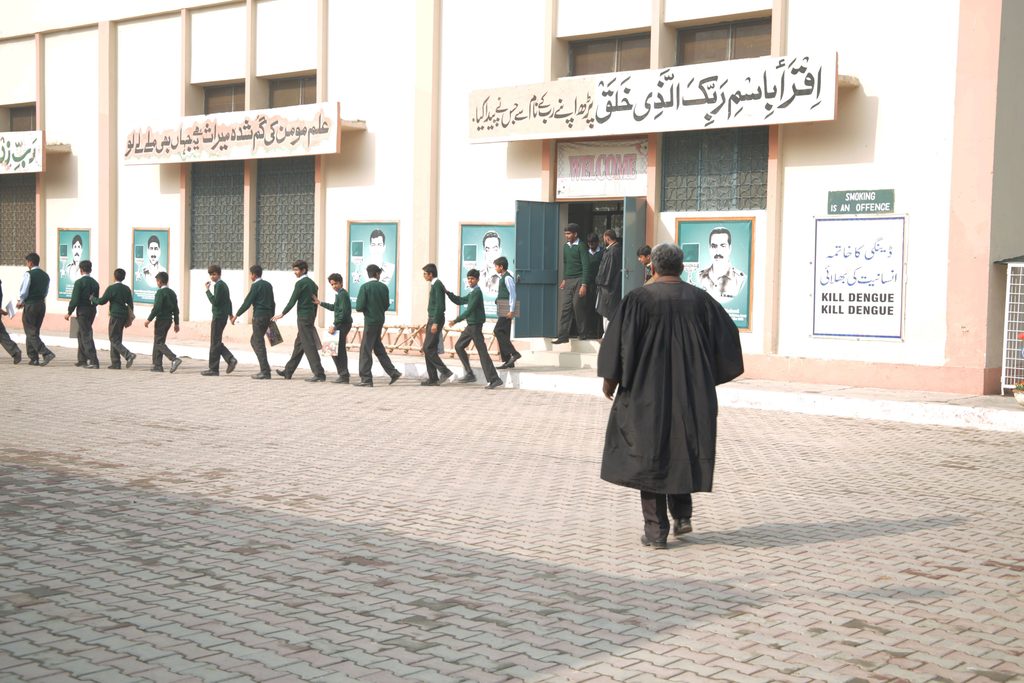
The Pakistani Education System plays an important role in the development of the country. Education helps students gain knowledge, develop skills, build confidence, and prepare for future careers. Pakistan has a large and diverse education sector that includes public schools, private schools, colleges, universities, technical institutions, and other educational organizations.
However, the system also faces challenges such as unequal access, differences in educational quality, limited resources, and gaps between different regions. Understanding these issues can help students, parents, teachers, and policymakers identify practical ways to improve education in Pakistan.
What Is the Pakistani Education System?
The Pakistani Education System includes different levels of education, starting from early childhood education and primary school and continuing through secondary education, higher secondary education, and higher education.
Students generally move from primary education to middle and secondary levels before entering colleges or universities. Technical and vocational education also provides alternative pathways for students who want to develop practical and professional skills.
Pakistan has both public and private educational institutions. According to UNESCO’s education profile for Pakistan, the national education structure includes early childhood, primary, lower secondary, upper secondary, post-secondary, and tertiary education.
For more detailed information, readers can explore the UNESCO Pakistan Education Profile as an external resource.
7 Powerful Features of Education in Pakistan
1. Different Levels of Education
The system is divided into several stages, including early childhood education, primary, middle, secondary, higher secondary, and higher education. Each stage focuses on different academic and personal development needs.
2. Public and Private Institutions
Pakistan has both government and privately managed educational institutions. Public institutions serve a large number of students, while private institutions also play an important role in the education sector.
3. Multiple Educational Pathways
Students can choose academic education as well as technical and vocational pathways. These options allow learners to develop skills according to their interests and career goals.
4. Diverse Learning Environments
Educational experiences can vary between regions and institutions. Differences in facilities, teacher availability, technology, and teaching methods can influence students’ learning experiences.
5. Higher Education Opportunities
Colleges and universities provide opportunities to study subjects such as science, technology, business, medicine, engineering, arts, and social sciences.
6. Growing Role of Technology
Digital technology is becoming increasingly important in education. Online learning platforms, digital classrooms, educational applications, and internet-based resources can give students access to additional learning materials.
Students who are interested in digital careers can also learn skills such as Web Development. You can connect the words Web Development to your website’s relevant internal page.
7. Focus on Skills
Modern education requires more than memorizing information. Communication, critical thinking, creativity, problem-solving, digital literacy, and practical skills can help students prepare for higher education and employment.
Major Challenges in the Pakistani Education System
Despite progress in different areas, education in Pakistan continues to face several challenges.
Unequal Access to Education
Not every child has the same access to quality education. Differences between urban and rural areas can affect school availability, facilities, transportation, and learning opportunities.
The World Bank reports that education access and learning remain significant development concerns in Pakistan, including a large number of school-age children who are out of school. Readers can review the World Bank Pakistan education information for current data and ongoing education initiatives.
Quality of Education
The quality of education can vary between institutions. Differences in teacher training, classroom resources, school facilities, and teaching methods can affect student learning.
Improving educational quality requires attention not only to textbooks but also to teacher development, classroom practices, assessment methods, and school management.
Limited Resources
Some institutions face shortages of classrooms, laboratories, libraries, technology, and other learning resources. Better facilities can create a more supportive environment for students.
Examination-Focused Learning
A major concern in some educational environments is excessive focus on examinations and memorization. Students may sometimes concentrate on remembering information instead of understanding concepts and applying knowledge.
A stronger approach would encourage students to ask questions, solve problems, conduct research, and connect classroom knowledge with real-life situations.
How Can Education in Pakistan Be Improved?
Improving education requires cooperation between government institutions, schools, teachers, parents, communities, and students.
First, schools need suitable learning facilities and trained teachers. Teacher training should focus on modern teaching methods, classroom management, technology, and student-centered learning.
Second, students should have opportunities to develop practical skills alongside academic knowledge. Activities such as projects, presentations, research, teamwork, and problem-solving can make learning more meaningful.
Third, technology can be used to expand access to educational resources. Digital learning should complement classroom teaching and should be supported by reliable internet access and appropriate training.
Fourth, special attention should be given to areas where students have fewer educational opportunities. Improving access to schools and learning resources can help reduce regional and economic differences.
For students and businesses interested in the digital world, SEO Services and Digital Marketing are also useful areas to explore. Add your relevant internal links to these two anchor texts.
The Future of Education in Pakistan
The future of education in Pakistan will depend on how effectively the country responds to changing economic, technological, and social needs.
Technology can make learning more flexible and provide students with access to educational resources beyond their classrooms. Online courses, digital libraries, educational applications, and artificial intelligence may become increasingly common.
At the same time, technology cannot replace good teachers. Teachers play an important role in explaining concepts, motivating students, developing social skills, and providing guidance.
A modern education system should therefore combine qualified teachers, useful technology, practical learning, strong educational policies, and equal opportunities for students.
Frequently Asked Questions
1. What is the Pakistani Education System?
The Pakistani Education System includes early childhood, primary, middle, secondary, higher secondary, higher education, and technical or vocational education.
2. What are the major problems in education in Pakistan?
Major challenges include unequal access, differences in educational quality, limited resources, teacher training needs, and an excessive focus on examination-based learning in some settings.
3. Why is education important for Pakistan?
Education helps people develop knowledge, skills, confidence, and employment opportunities. A strong education sector can also contribute to economic and social development.
4. How can the quality of education be improved?
Quality can be improved through better teacher training, suitable school facilities, updated learning methods, practical education, improved assessment, and effective use of technology.
5. What role does technology play in education?
Technology can provide students with digital learning materials, online courses, educational applications, virtual classrooms, and additional opportunities for research and practice.
6. What skills should Pakistani students develop?
Students can benefit from communication, critical thinking, creativity, problem-solving, digital literacy, teamwork, and practical skills in addition to academic knowledge.
7. What is the future of education in Pakistan?
The future is likely to involve greater use of technology, digital learning, practical skills, and flexible educational opportunities while continuing to depend on qualified teachers and effective educational policies.
Conclusion
The Pakistani Education System is an important foundation for the country’s future. It provides students with opportunities to gain knowledge and develop skills, but it also faces challenges related to access, quality, resources, and learning methods.
Improvement requires long-term efforts from educational institutions, teachers, families, communities, and policymakers. Better facilities, teacher training, practical learning, technology, and equal educational opportunities can help create a stronger learning environment.
Education should prepare students not only to pass examinations but also to think independently, solve problems, communicate effectively, and contribute positively to society. With continuous improvement and responsible use of modern technology, education in Pakistan can provide students with stronger opportunities for the future.